Google's May Quality Updates
 Taha Yelkenci
SEO Consultant | · updated: 2019-05-10 | 2 min read
This has been the year we have seen Google algorithm updates most often. There was one at the start of January, the 7 February update, Fred on 7 March, then updates at the end of April and the beginning of May. Most recently, on 17 May, we witnessed a big one.
This last update was first reported by Barry Schwartz on the Search Engine Roundtable blog.
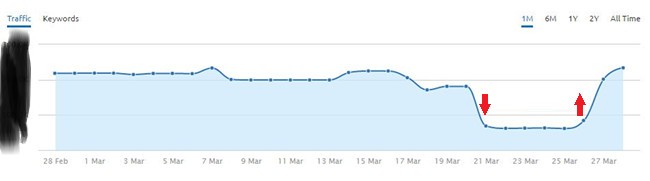
Since 17 May I have been digging into the update and analysing many of the sites it touched — both the ones that gained and the ones that lost. Non-disclosure agreements mean I cannot share the raw data, but I can share everything I found: what was done wrong, what was done right, and how the update played out.
What was the rule again? Build for people, optimise for robots. Remember that real human beings visit your site, and treat them with respect. In my reviews I saw plenty of aggressive advertising, UX obstacles, interfaces that irritate the visitor, deceptive ads and low-quality content. A site that committed those mistakes aggressively took the hit and lost visibility.
After the analysis and testing we improved that site and brought it back to where it was. Of course I cannot claim these are 100% of the factors at play.
So let us pull it together: here is what you can do to avoid being hit by the latest update.
- Review your site objectively in terms of content quality and user experience.
- Improve your low-quality content; find what competitors are doing more of than you and apply it to your own site.
- If you cannot improve a low-quality page, use noindex — pages that are not indexed cannot hurt you.
- Avoid aggressive advertising. If your ads disturb users, Google is able to work that out.
- Fix every significant UX problem on the site. Walk through your own site as a visitor and try to reach the information you are meant to find.
- Look for technical problems that cause content or UX issues. Page performance and technical SEO matter enormously.
- Keep adding quality content. What you publish should be unique, relevant and genuinely answer a user need. If you cannot do that, do not publish at all.
- Check the queries that lead to your content and make sure you meet those expectations. Expand your content for the different queries it can serve.
Updates have been very frequent this year, and I expect Google to increase the pace of quality updates further. We will wait and see 🙂
Taha Yelkenci
SEO since 2010. Founder of rankZup. Got a question? Write to me →
← Previous post
4 Tools That Make Marketing Easier to Manage
Next post →
5 Important Tips for Your SEO Strategy