What Is Canonicalization? Canonical Tag Best Practices
 Taha Yelkenci
SEO Consultant | · updated: 2019-05-10 | 3 min read
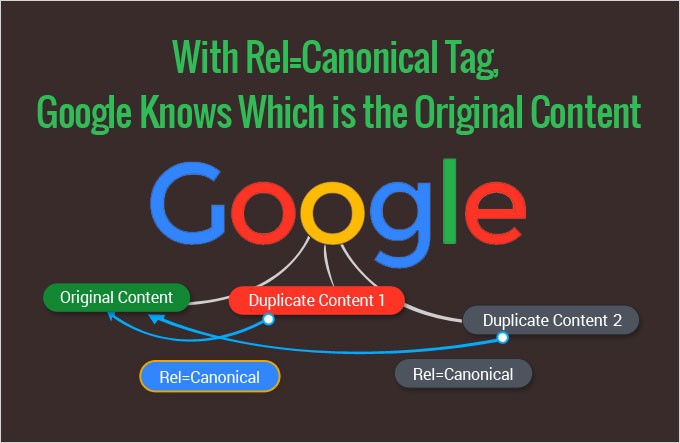
What is canonicalization?
If you have several URLs holding the same or similar content and answering the same query, search engines can create SEO problems for you. This is the duplicate pages issue. Duplicate pages cause search engines to pick a weaker URL instead of the original one, and lead to poor ranking performance. The canonical tag is what protects you from that.
The most common URL mistakes
Multiple URLs for the home page
On a site I consulted for, I ran into this: the home page had several URLs — "http://site.com", "https://site.com", "http://www.site.com", "https://www.site.com".
When I checked the canonical tags they all shared a common canonical. Is that enough? No. Even when pages with identical content share a canonical, you should absolutely consolidate them onto a single page with a 301.
Parameters appended to the URL
Parameters, used heavily on e-commerce sites, can create problems of their own. On a site we worked with, values such as "?mounth=100" and "?mounth=500" were being appended to URLs, generating unnecessary duplicate pages — and each of those pages carried a canonical identical to its own URL.
The page "site.com/canonical?mounth=100" listed "site.com/canonical?mounth=100" as its canonical address.
We could have removed those pages altogether so they were never served, but in some cases they were picking up links. So instead we set a shared canonical for every URL with an appended value: "site.com/canonical".
Now, even when a user is on "/canonical?mounth=100", search engines know the real page is "/canonical".
Chained canonicals
Do not build chains where page A's canonical is B, B's canonical is C and C's is D. It sends search engines a confused signal. Aim for the shortest, clearest signal you can.
The best ways to use the canonical tag
Use a canonical on your home page
Many duplicate versions of the home page can appear simply from measuring traffic — referral parameters ("?refdomain=a.com"), AdWords ("?url={lpurl}") and so on. Use one shared canonical across all of them.

Consolidate pages that are close to each other
One of the most common mistakes is to focus canonical work only on exact duplicates. The canonical tag should also be used for pages that are similar or that answer the same query. For example: you have a sales page titled "istanbul plane tickets" and a blog post titled "istanbul plane ticket prices". The two are not identical, but because they can answer the same query they can share a canonical.
Content consolidation
Canonicalization is the process of removing pages with low-value content and pages that could be read as duplicates. But before you remove anything, there are several factors to weigh when deciding whether a page is valuable:
- Does the page get traffic and produce conversions? Check in Google Analytics.
- Does the page have valuable backlinks that help the site? Majestic, Moz, Ahrefs or Search Console will tell you.
- Does the page answer a query or add value for your audience? Does it entertain or educate?
- Does the page encourage people to stay on the site? Google Analytics and Metrica will show you.
- Is it a page you sell from? Is it a page you have a conversion goal on?
If the answer to those questions is no, it is time to start consolidating.
What consolidation gives you:
- You strengthen the relationship with your audience by serving only current, accurate information.
- You waste less crawl budget.
- You get rid of pages that read as duplicates.
With one company I consulted for, content consolidation produced a 40% gain in SEO visibility (from 11,678 to 14,715).
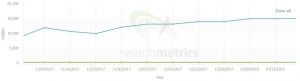
301 redirects and canonical tags
Sometimes you cannot remove similar pages and 301 them. In that case, is changing only the canonical tag enough to carry that page's value — its page authority and backlinks? The honest answer is that it is not certain.
Say we have pages A1 and A2. If we redirect A1 to A2, visitors landing on A1 go straight to A2 and never see A1.
If we do not redirect and only change the canonical tag, visitors can still reach A1 even though the canonical points at A2.
These solutions vary with the situation; make sure the one you choose lines up with the conversion you are after.
Taha Yelkenci
SEO since 2010. Founder of rankZup. Got a question? Write to me →